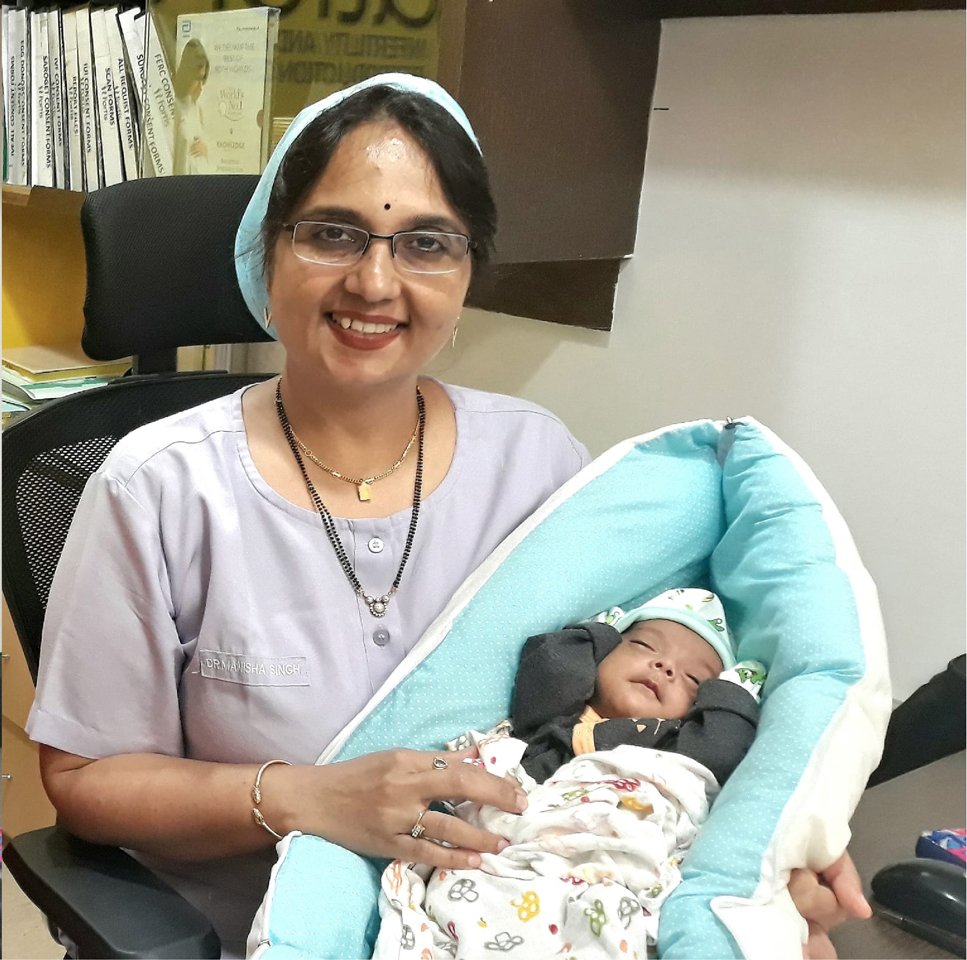
Dr. Manisha Rajpal Singh
Dr. Manisha Singh is an eminent Gynaecologist and a sub-specialist in Reproductive Medicine & Surgery with over 32 years of extensive surgical experience. She is also an acknowledged expert in Reproductive Medicine and Surgery services by Royal College of Obstetricians and Gynaecologists (RCOG), London, UK. Dr. Manisha Singh has an experience of over 32 years in Obstetrics, Gynaecology, Infertility & Assisted Conception treatments.
What is Embryo Freezing?
Embryo freezing, or embryo cryopreservation, is the process of preserving embryos at very low temperatures so that they can potentially be used in a future fertility treatment cycle. During IVF, eggs are retrieved and fertilised with sperm in the laboratory. Suitable developing embryos may then be selected for cryopreservation and stored under controlled conditions.
A key difference exists between a fresh embryo transfer and a frozen embryo transfer. In a fresh embryo transfer, the embryo is placed into the uterus during the same IVF cycle as egg retrieval. In a frozen embryo transfer (FET), a previously cryopreserved embryo is thawed and transferred during a later treatment cycle after the uterine lining has been prepared.
Who May Benefit from Embryo Freezing?
Embryo freezing may be considered in several situations where preserving embryos for future fertility treatment or pregnancy planning may be useful. The recommendation depends on the individual’s fertility evaluation, treatment plan, medical circumstances, and reproductive goals.
Couples Undergoing IVF Treatment
Embryo freezing allows suitable embryos created during an IVF cycle to be preserved for potential use in future treatment cycles.
Patients Planning Future Pregnancy
Embryo cryopreservation may allow individuals or couples to preserve embryos for a future pregnancy when they are not planning embryo transfer immediately.
Patients Delaying Pregnancy
Individuals who wish to delay pregnancy for personal, professional, medical, or other reasons may consider embryo freezing as part of fertility preservation planning.
Patients Requiring Medical Treatment That May Affect Fertility
Certain treatments, including chemotherapy and radiation therapy, may affect fertility. When clinically appropriate and feasible, embryo cryopreservation before treatment may help preserve an option for future pregnancy.
Couples Requiring Additional IVF Attempts
If pregnancy does not occur after an embryo transfer, previously frozen embryos may allow another transfer cycle without repeating ovarian stimulation and egg retrieval, provided suitable embryos are available.
Patients Planning Frozen Embryo Transfer
Patients who have suitable frozen embryos may undergo a frozen embryo transfer during a later treatment cycle after the uterine lining has been appropriately prepared.
How is Embryo Freezing Performed?
The embryo freezing procedure generally forms part of an IVF cycle and involves fertility assessment, ovarian stimulation, egg retrieval, fertilisation, embryo development, assessment, cryopreservation, and storage. The exact treatment plan may vary depending on the individual’s fertility profile and clinical requirements.
Initial Fertility Evaluation
The fertility specialist reviews the individual’s medical and reproductive history and may recommend investigations such as hormone tests and ultrasound scans before beginning embryo freezing treatment.
Ovarian Stimulation and Egg Retrieval
Fertility medications are used to stimulate the ovaries so that multiple follicles can develop. Once the eggs are considered ready for retrieval, they are collected through an egg retrieval procedure.
Fertilisation and Embryo Development
The retrieved eggs are fertilised with sperm in the laboratory using the method considered appropriate for the treatment plan. The resulting embryos are monitored as they develop over the following days.
Embryo Assessment
Embryologists assess the developing embryos based on their developmental progress and morphological characteristics. Suitable embryos may then be selected for cryopreservation.
Embryo Cryopreservation
Selected embryos are commonly preserved using vitrification, a rapid freezing technique designed to minimise ice crystal formation during the freezing process.
Embryo Storage
The cryopreserved embryos are stored in specialised cryogenic storage systems, commonly using liquid nitrogen, until they are required for future fertility treatment.
Embryo Thawing and Frozen Embryo Transfer
When a frozen embryo is required for treatment, it is thawed in the embryology laboratory and assessed before transfer. A suitable embryo may then be placed into the uterus during a planned frozen embryo transfer cycle.
Treatment Outcomes and Factors Affecting Success
The outcome of treatment using frozen embryos can depend on several factors related to embryo quality, reproductive health, uterine readiness, and laboratory processes.
Age at the Time of Embryo Creation
Age at the time the embryo was created is an important factor that may influence embryo quality and implantation potential. In general, younger egg age is associated with a lower risk of chromosomal abnormalities.
Embryo Quality
Embryo quality is assessed based on developmental progress and morphological characteristics. Embryos that develop appropriately may have better implantation potential.
Ovarian Reserve and Egg Quality
Ovarian reserve and egg quality can influence the number and quality of embryos available for freezing. These factors are considered during fertility assessment and IVF treatment planning.
Sperm Quality
Sperm concentration, motility, morphology, and other sperm-related factors may influence fertilisation and embryo development.
Uterine and Endometrial Health
A suitably prepared and receptive uterine lining is important for embryo implantation. The fertility team may assess uterine health and endometrial development before a frozen embryo transfer.
Embryo Thawing and Laboratory Factors
The freezing and thawing process requires appropriate laboratory protocols, specialised equipment, and experienced embryology support. Embryos are assessed after thawing before being considered for transfer.
Overall Reproductive Health
Hormonal balance, underlying fertility conditions, uterine health, and other medical factors may influence treatment planning and reproductive outcomes.
Why Choose Dr Manisha Rajpal Singh for Embryo Freezing?
Dr Manisha Rajpal Singh provides personalised fertility care based on each patient’s clinical needs, fertility assessment, and reproductive goals.
Her approach includes individualised fertility planning, counselling regarding embryo freezing, and treatment planning based on the patient’s medical history and future family-planning needs. She also focuses on clear communication and helping patients understand the available fertility preservation options before making treatment decisions.
Book an Appointment
Schedule a consultation with Dr Manisha Rajpal Singh to discuss whether embryo freezing may be appropriate based on your fertility needs, reproductive goals, and treatment plan.
FAQ’s
Embryo freezing, also known as embryo cryopreservation, is a process in which embryos created during an in vitro fertilisation (IVF) cycle are frozen and stored at very low temperatures for potential use in a future treatment cycle.
Embryos may be frozen to preserve suitable embryos for future treatment cycles, allow embryo transfer to take place at a later time, or support fertility preservation before certain medical treatments that may affect reproductive function.
Embryos are commonly frozen using vitrification, a rapid freezing technique designed to minimise ice crystal formation and help preserve the embryo during cryopreservation.
Frozen embryos can remain stored for several years under appropriate cryogenic conditions. The permitted storage duration may also depend on applicable regulations, consent requirements, and the fertility clinic’s policies.
 If you Have Any Questions Schedule an Appointment OR Call Us On 080 - 66214281