Table of Contents
- What is Blastocyst Culture?
- Who May Benefit from Blastocyst Culture?
- How is Blastocyst Culture Performed?
- Treatment Outcomes and Factors Affecting Success
- Why Choose Dr Manisha Rajpal Singh for Blastocyst Culture?
- Frequently Asked Questions (FAQs)
What is Blastocyst Culture?
During blastocyst culture treatment, fertilised eggs are maintained under controlled laboratory conditions as they continue developing toward the blastocyst stage. A blastocyst is an embryo that has developed a fluid-filled cavity along with specialised groups of cells that later contribute to the developing fetus and placenta. After fertilisation, embryos pass through several stages of development. The embryology team monitors these changes over several days to assess developmental progress. Blastocyst culture in IVF can provide additional information that may help identify embryos suitable for transfer or cryopreservation and may also form part of the treatment process when preimplantation genetic testing is planned.Who May Benefit from Blastocyst Culture?
Blastocyst culture may be considered in selected IVF cycles where extended embryo development can provide useful information for treatment planning. The decision depends on factors such as the number and development of embryos, the patient’s fertility history, and the overall IVF strategy.Patients Undergoing IVF Treatment
Blastocyst culture may be considered during IVF when the fertility and embryology teams determine that extended embryo culture may provide useful information before transfer or cryopreservation.Patients with Multiple Suitable Embryos
When several embryos are developing appropriately, extended culture may provide additional information about their developmental progress and help identify embryos that may be suitable for transfer or freezing.Patients Requiring Embryo Selection
Observing embryos until the blastocyst stage can help the embryology team assess developmental characteristics before determining which embryos may be considered for transfer or cryopreservation.Patients Planning Frozen Embryo Transfer
Embryos that develop appropriately to the blastocyst stage may be cryopreserved for potential use during a future frozen embryo transfer cycle.Patients Considering Preimplantation Genetic Testing
When preimplantation genetic testing is included in the IVF treatment plan, embryos are commonly cultured to the blastocyst stage so that an appropriate biopsy may be performed where clinically indicated.Patients Requiring Extended Embryo Culture
Extended embryo culture may be considered when additional observation of embryo development can help guide decisions regarding transfer, cryopreservation, or further treatment planning.How is Blastocyst Culture Performed?
The blastocyst culture procedure forms part of an IVF treatment cycle and involves ovarian stimulation, egg retrieval, fertilisation, embryo culture, and laboratory assessment. The exact approach may vary depending on the patient’s fertility profile and embryo development.Initial Fertility Evaluation and IVF Planning
The fertility specialist reviews the patient’s medical and fertility history and performs appropriate investigations before planning the IVF cycle. The treatment protocol is individualised according to the patient’s clinical requirements.Ovarian Stimulation and Egg Retrieval
Fertility medications are used to stimulate the ovaries so that multiple follicles can develop. Once the eggs are considered ready, they are collected through an egg retrieval procedure.Fertilisation of the Retrieved Eggs
The retrieved eggs are fertilised with sperm in the laboratory using the method considered appropriate for the treatment plan. The resulting embryos are then placed in controlled culture conditions.Early Embryo Development
During the first few days after fertilisation, the embryos are monitored by the embryology team to assess cell division and developmental progress.Extended Embryo Culture
Embryos that continue to develop are cultured for approximately five to six days, allowing them the opportunity to reach the blastocyst stage.Blastocyst Development and Assessment
Embryologists assess blastocysts according to established laboratory criteria, including their developmental stage and morphological characteristics. This information may help determine whether an embryo is suitable for blastocyst embryo transfer, cryopreservation, or other planned procedures.Embryo Transfer or Cryopreservation
A suitable blastocyst may be transferred into the uterus during the planned treatment cycle or cryopreserved for potential future use, depending on the patient’s treatment plan and clinical circumstances.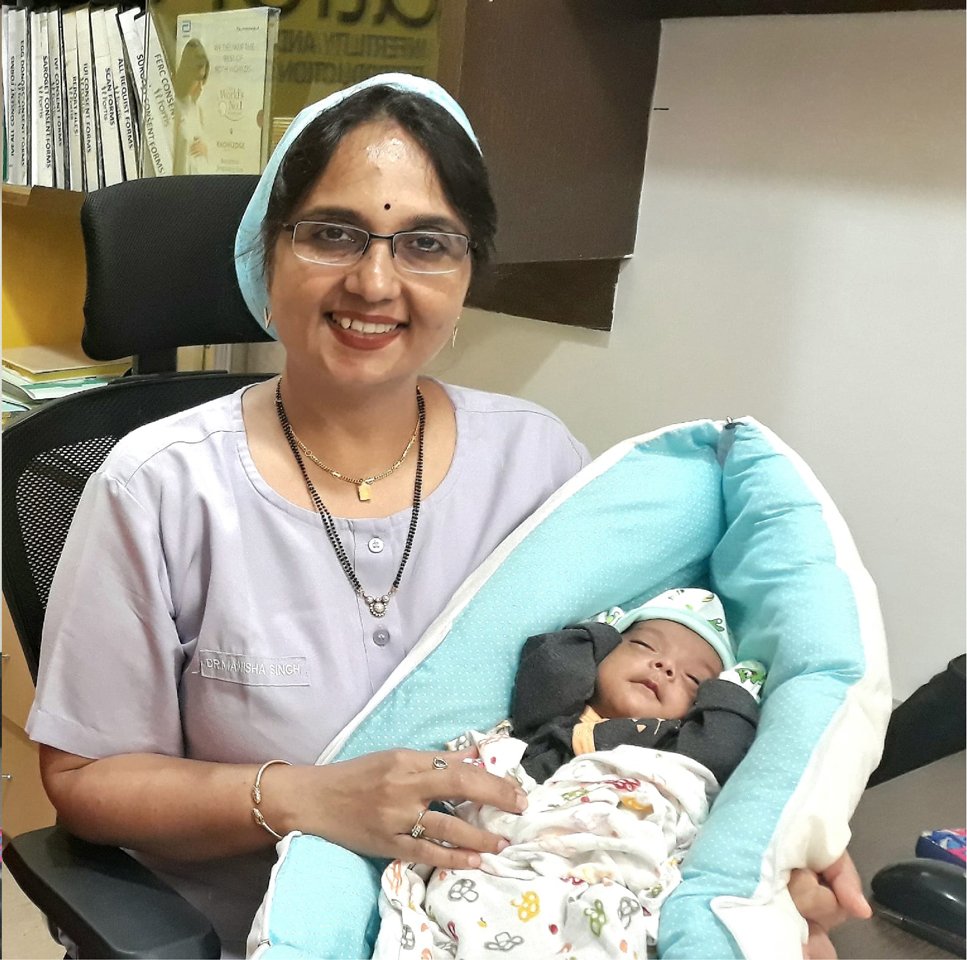
Dr. Manisha Rajpal Singh
Dr. Manisha Singh is an eminent Gynaecologist and a sub-specialist in Reproductive Medicine & Surgery with over 32 years of extensive surgical experience. She is also an acknowledged expert in Reproductive Medicine and Surgery services by Royal College of Obstetricians and Gynaecologists (RCOG), London, UK. Dr. Manisha Singh has an experience of over 32 years in Obstetrics, Gynaecology, Infertility & Assisted Conception treatments.
Treatment Outcomes and Factors Affecting Success
The outcome of blastocyst culture treatment can depend on several biological, embryological, and clinical factors. These factors are considered while monitoring embryo development and planning the next stage of IVF treatment.
Age and Egg Quality
Age can influence egg quality, fertilisation, embryo development, and overall IVF outcomes. These factors are considered when assessing embryo development during a blastocyst culture cycle.
Number of Fertilised Eggs
A larger number of fertilised eggs may provide more embryos for extended culture. However, not every embryo will continue developing to the blastocyst stage.
Embryo Development and Quality
The developmental progress and morphological characteristics of embryos are important when determining whether they may be suitable for transfer, cryopreservation, or further assessment.
Sperm Quality
Sperm-related factors such as concentration, motility, morphology, and overall quality may influence fertilisation and subsequent embryo development.
Laboratory Conditions and Embryology Expertise
Blastocyst culture requires carefully controlled laboratory conditions and appropriate embryology protocols. Embryologists monitor embryo development throughout the culture period and assess embryos using established laboratory criteria.
Uterine and Endometrial Health
When an embryo transfer is planned, the health and receptivity of the uterine lining can influence implantation. The fertility team may assess the uterus and endometrium before transfer.
Underlying Fertility Conditions
Underlying fertility-related conditions may affect fertilisation, embryo development, implantation, or other aspects of IVF treatment. These factors are assessed as part of the overall fertility evaluation.
Why Choose Dr Manisha Rajpal Singh for Blastocyst Culture?
Dr Manisha Rajpal Singh provides individualised fertility care based on each patient’s clinical assessment, fertility history, embryo development, and reproductive goals.
Her approach includes personalised IVF treatment planning, careful monitoring throughout the treatment cycle, and counselling regarding options such as blastocyst culture, embryo transfer, and cryopreservation where appropriate. Treatment decisions are tailored to the patient’s clinical needs and overall fertility plan.
Book an Appointment
Schedule a consultation with Dr Manisha Rajpal Singh to discuss blastocyst culture treatment and the fertility treatment options that may be appropriate for your individual needs.
FAQ’s
Blastocyst culture is the process of growing embryos in the laboratory for several days after fertilisation, typically until Day 5 or Day 6, to allow them to reach the blastocyst stage.
A blastocyst is an embryo that has developed a fluid-filled cavity and distinct groups of cells as it progresses toward the stage at which implantation may occur.
Extended embryo culture allows the embryology team to observe developmental progress and assess which embryos have reached a suitable blastocyst stage for transfer, cryopreservation, or further evaluation.
Yes. When preimplantation genetic testing is clinically indicated and included in the IVF treatment plan, embryos are commonly cultured to the blastocyst stage before an appropriate biopsy is performed.
Depending on the IVF treatment plan, a suitable blastocyst may be transferred into the uterus, cryopreserved for future use, or undergo further assessment when required.
 If you Have Any Questions Schedule an Appointment OR Call Us On 080 - 66214281