What is a Frozen Embryo Replacement Cycle (FERC)?
A Frozen Embryo Replacement Cycle, also known as a frozen embryo transfer (FET), is a fertility treatment in which an embryo that was previously cryopreserved is thawed and transferred into the uterus. Before the transfer, the uterine lining, or endometrium, is prepared and monitored to create a suitable environment for embryo implantation. The timing of embryo thawing and transfer is carefully planned according to the treatment protocol and the patient’s menstrual or ovulation cycle. The fertility team monitors the endometrium using ultrasound and, where required, hormone testing to determine whether the uterine lining is appropriately prepared for embryo transfer. A frozen embryo transfer differs from a fresh embryo transfer. In a fresh transfer, the embryo is transferred during the same IVF cycle in which the eggs are retrieved and fertilised. During a frozen embryo transfer, an embryo preserved from an earlier IVF cycle is thawed and transferred during a separately prepared treatment cycle.Who May Benefit from a Frozen Embryo Replacement Cycle?
A Frozen Embryo Replacement Cycle may be considered in several situations where previously frozen embryos are available or where delaying embryo transfer may be clinically appropriate. The decision is made after assessing the patient’s fertility history, treatment plan, uterine condition, and reproductive goals.Patients with Previously Frozen Embryos
Patients who have embryos preserved from an earlier fertility treatment cycle may use these embryos for a frozen embryo transfer without undergoing another egg retrieval and embryo creation cycle.Patients Completing a Freeze-All IVF Cycle
Some IVF treatment plans involve freezing all suitable embryos rather than transferring them during the egg retrieval cycle. These embryos can later be transferred through a Frozen Embryo Replacement Cycle once the uterine lining has been appropriately prepared.Patients Undergoing Preimplantation Genetic Testing
Patients undergoing preimplantation genetic testing may have their embryos frozen while the testing process is completed. Once the results are available and an appropriate embryo has been selected, a frozen embryo transfer may be planned.Patients Not Suitable for Fresh Embryo Transfer
A frozen embryo transfer may be recommended when a fresh embryo transfer is not considered appropriate. For example, patients at increased risk of ovarian hyperstimulation syndrome (OHSS) may be advised to allow the body to recover before proceeding with embryo transfer.Patients Planning Another Pregnancy Using Stored Embryos
Patients who wish to attempt another pregnancy may use embryos preserved during a previous fertility treatment cycle. Whether a frozen embryo transfer is appropriate depends on the patient’s current fertility assessment and treatment plan.Patients Requiring Flexible Embryo Transfer Timing
A Frozen Embryo Replacement Cycle allows embryo transfer to be planned separately from the egg retrieval cycle. This can provide greater flexibility in preparing the uterine lining and scheduling the transfer according to the patient’s clinical requirements.How is a Frozen Embryo Replacement Cycle Performed?
The exact steps involved in a Frozen Embryo Replacement Cycle can vary depending on whether a natural, modified natural, or hormone-prepared protocol is used. The fertility specialist plans the treatment based on the patient’s menstrual cycle, ovulation pattern, uterine lining, and overall fertility assessment.Initial Fertility and Uterine Evaluation
The fertility specialist reviews the patient’s medical and fertility history and evaluates the uterus before beginning treatment. Investigations may include a transvaginal ultrasound, assessment of endometrial thickness, hormone tests, and other uterine evaluations such as hysteroscopy when clinically required.Selection of the FERC Cycle Type
The fertility specialist selects a natural, modified natural, or hormone-prepared cycle based on the patient’s ovulation pattern, menstrual cycle, medical history, and individual treatment requirements.Preparation of the Endometrial Lining
The uterine lining is prepared so that it is suitable for embryo implantation. During a hormone-prepared frozen embryo transfer treatment, oestrogen may be prescribed to support development of the endometrium. In a natural cycle, the patient’s own follicular development and ovulation are monitored.Ultrasound and Hormonal Monitoring
Ultrasound examinations are performed during the cycle to assess the thickness and appearance of the endometrial lining. Hormonal tests may also be recommended depending on the treatment protocol.Progesterone Support and Timing of Embryo Transfer
Progesterone may be prescribed to prepare the uterine lining and synchronise it with the developmental stage of the embryo. The timing and duration of progesterone treatment are carefully planned before embryo transfer.Embryo Thawing
At the appropriate time, the embryology laboratory thaws the selected frozen embryo and evaluates it before the planned transfer.Frozen Embryo Transfer
During the frozen embryo transfer, the fertility specialist places the thawed embryo into the uterine cavity using a thin catheter. The procedure is generally performed under ultrasound guidance.Post-Transfer Care and Pregnancy Testing
After embryo transfer, prescribed hormonal support may be continued according to the treatment protocol. A blood pregnancy test is usually performed around two weeks after the transfer to determine whether implantation has resulted in pregnancy.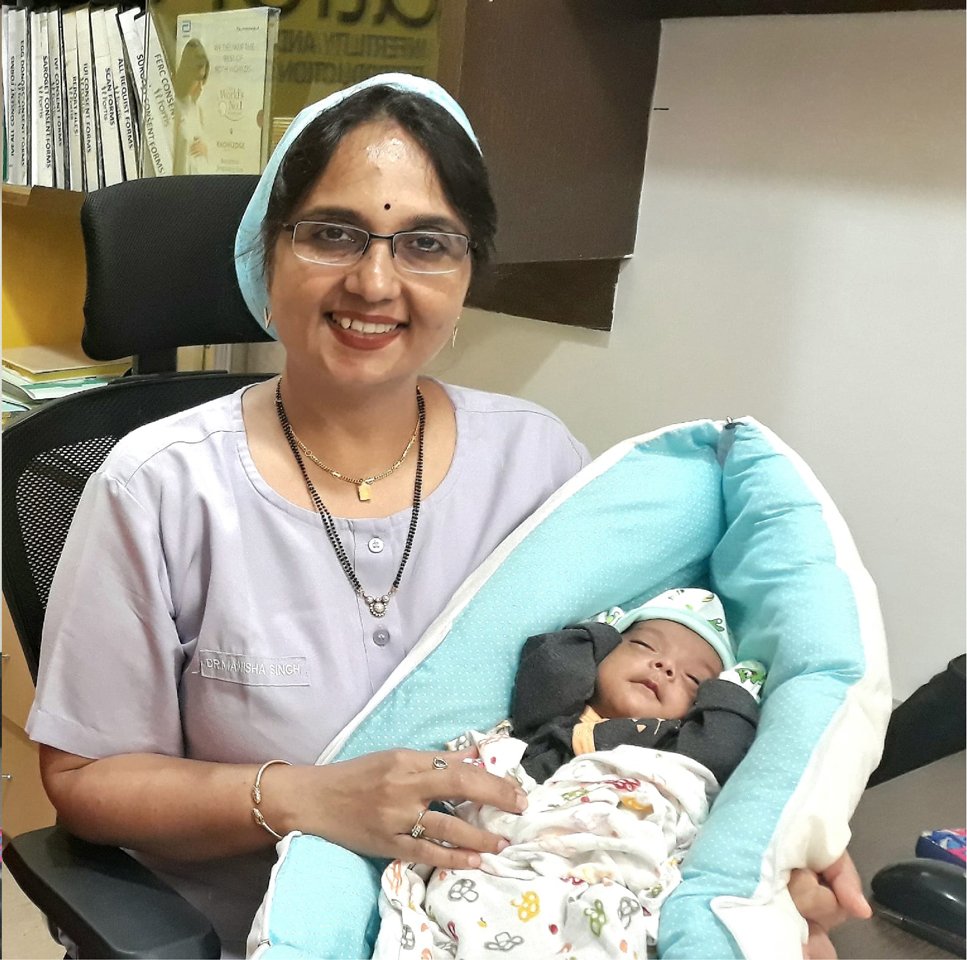
Dr. Manisha Rajpal Singh
Dr. Manisha Singh is an eminent Gynaecologist and a sub-specialist in Reproductive Medicine & Surgery with over 32 years of extensive surgical experience. She is also an acknowledged expert in Reproductive Medicine and Surgery services by Royal College of Obstetricians and Gynaecologists (RCOG), London, UK. Dr. Manisha Singh has an experience of over 32 years in Obstetrics, Gynaecology, Infertility & Assisted Conception treatments.
Treatment Outcomes and Factors Affecting Success
The outcome of a Frozen Embryo Replacement Cycle can depend on several clinical and biological factors. These factors are assessed by the fertility specialist while planning the treatment and preparing the uterus for embryo transfer.
Age
Age, particularly at the time the embryo was created, is an important factor that may influence treatment outcomes. Egg quality generally declines with increasing age, which can affect embryo development and implantation potential.
Embryo Quality
The quality of the embryo is an important consideration in a frozen embryo transfer. Embryos that develop appropriately and survive the freezing and thawing process may have better implantation potential.
Embryo Developmental Stage
The stage at which the embryo was frozen, such as the cleavage stage or blastocyst stage, may influence its implantation potential and is considered while planning the transfer.
Endometrial Thickness and Receptivity
The uterine lining needs to be appropriately prepared for embryo implantation. The fertility team monitors the thickness and appearance of the endometrium and coordinates the timing of embryo transfer accordingly.
Uterine Health
The overall health of the uterus can influence implantation. Conditions such as uterine polyps, fibroids, adhesions, or other abnormalities may need to be evaluated and managed before embryo transfer when clinically necessary.
Hormonal Response
Oestrogen and progesterone play an important role in preparing and maintaining the uterine lining. Hormone levels and treatment response may therefore be monitored during a hormone-prepared Frozen Embryo Replacement Cycle.
Underlying Fertility Conditions
Certain medical or fertility-related conditions, including endometriosis, thyroid disorders, and other reproductive health concerns, may influence treatment outcomes. Appropriate assessment and management may be recommended before or during treatment.
Sperm and Egg Factors at Embryo Creation
The quality of the sperm and egg at the time of fertilisation can influence embryo development and overall embryo quality. These factors may therefore contribute to the implantation potential of an embryo used during a frozen embryo transfer.
Why Choose Dr Manisha Rajpal Singh for Frozen Embryo Replacement Cycle?
Dr Manisha Rajpal Singh provides fertility care with an individualised approach to Frozen Embryo Replacement Cycle treatment. Treatment planning may include assessment of the patient’s fertility history, menstrual and ovulation pattern, uterine lining, previous treatment cycles, and reproductive goals.
Her approach includes personalised fertility treatment planning and individualised endometrial preparation based on the patient’s clinical requirements. Dr Singh evaluates the available embryos, uterine condition, and appropriate transfer protocol before developing a treatment plan suited to each patient.
Book an Appointment
Schedule a consultation with Dr Manisha Rajpal Singh to discuss personalised frozen embryo transfer treatment and the most appropriate approach based on your fertility needs.
FAQ’s
A Frozen Embryo Replacement Cycle (FERC) is a planned fertility treatment cycle in which a previously cryopreserved embryo is thawed and transferred into the uterus.
Yes. Frozen Embryo Replacement Cycle (FERC) and Frozen Embryo Transfer (FET) are commonly used to describe the process of transferring a previously frozen embryo into the uterus during a planned treatment cycle.
A FERC may be considered for patients who have frozen embryos from a previous IVF cycle and are planning an embryo transfer. It may also be used after a freeze-all IVF cycle or following preimplantation genetic testing, depending on the treatment plan.
A blood pregnancy test is usually performed around 10 to 14 days after the embryo transfer, depending on the treatment protocol and the fertility specialist’s recommendation.
 If you Have Any Questions Schedule an Appointment OR Call Us On 080 - 66214281