An important aspect of a woman’s journey in life is that of pregnancy and motherhood. The excitement of pregnancy is generally complicated by a ton of “Dos and don’ts”. The advisors can range from parents to friends, relatives, colleagues and of course the internet! A nutritious diet, adequate rest and appropriate exercise help ensure a healthy course during pregnancy and the postpartum period.
A nutritious diet is important as the fetus in the womb is a parasite that derives all its energy and building blocks from the mother. Having said that it is not at all uncommon to experience an altered sense of taste and altered sense of smell during pregnancy (mainly in the 15 trimester) and also experience nausea and vomiting. Most of these symptoms can be overcome and alleviated by consuming small frequent meals, avoiding excess spice and oil in the diet and consuming adequate fluids (mainly water / tender coconut / fresh fruit juices/buttermilk/soups). Eating to hunger is most sensible. Keeping dry biscuits, fruits and nuts such as almonds, and walnuts handy helps especially at night.
It is useful to have a house helper/cook/family member to help you out during pregnancy, not only to do the household chores but also to cook food as sometimes cooking food and the smell of it can increase nausea and vomiting.
What must one definitely avoid?It is imperative to avoid alcohol and smoking completely in pregnancy as these not only affect the mother’s health but also compromise the growth and development of the fetus in utero.
Excess consumption of caffeine and fizzy, carbonated drinks must be avoided. Raw eggs, unpasteurized milk and cheese, undercooked meat& fish, processed meat, and fish such as Mackerel, swordfish, and shark (because of high mercury content) must be avoided.
Oily and fried foods take longer to digest and are therefore best avoided during pregnancy.
Pregnancy causes increased “cravings” for certain foods and it is believed by many that a woman only craves for foods that her baby wants. Whilst consuming that particular food item may make one happy it is important to refrain from consuming excess junk food items and select options that are high in nutritive content for both the baby and self.
Refrain from sleeping or lying down immediately after eating as this increases the chances of reflux, acidity and gastritis.
The ideal diet
- Carbohydrates
Wheat, rice, potatoes, fruits, vegetables, bajri, jowar, ragi (nachni) are all good sources of carbohydrates and provide easy and ready energy substrate for the body.
- Proteins
Eggs, nuts, milk (skimmed if preferred), dals, rajma, chola or channa, sprouts, bean curd tofu, chicken, fish are all rich sources of protein. Protein is a building block and aids good growth and development of the foetus.
- Iron
Green leafy vegetables, ragi, beetroot, drumsticks, figs, wheat germ, wheat bran, rajma, lean red meat, eggs, fortified whole grain cereals are all rich sources of iron.
The simultaneous use of citrus fruits such as lemon, oranges, sweet lime and amla help increase the iron absorption from the gut as they contain a good proportion of Vitamin C.
Adequate iron intake during pregnancy prevents maternal anaemia which in turn can reduce the mother’s oxygen carrying capacity and thereby increase the risk of intrauterine growth restriction of the fetus and also make the mother more susceptible to infections.
- Calcium
Milk, curd, lassi, cheese, eggs, rajma, channa, fish, green leafy vegetables, nuts are all good sources of Calcium.
Adequate Calcium intake is important for the proper bone and teeth development of the baby. Calcium also aids in the proper functioning of the muscles and nerves in the body.
Should a pregnant mother not have an adequate calcium intake in pregnancy, she is likely to lose the calcium from her bones to provide for the baby in turn making her weak, prone to aches and pains in her spine, legs and joints and also increasing her susceptibility to fractures (secondary to osteoporosis in worst case scenarios).
- Vitamins
Fruits, vegetables, salads, fish, eggs, wheat bran, milk, nuts and whole grain cereals are all important sources of multivitamins, an important requirement for the health and development of the fetus as well as the mother.
- Supplements
Folic acid supplements (0.4 – 5mg) are regularly prescribed in the periconceptional period and continued into pregnancy to reduce the risk of neural tube defects (spine and brain defects) in the baby.
Iron and Calcium/Vitamin D supplements may also be prescribed by your obstetrician generally starting from the second trimester of pregnancy.
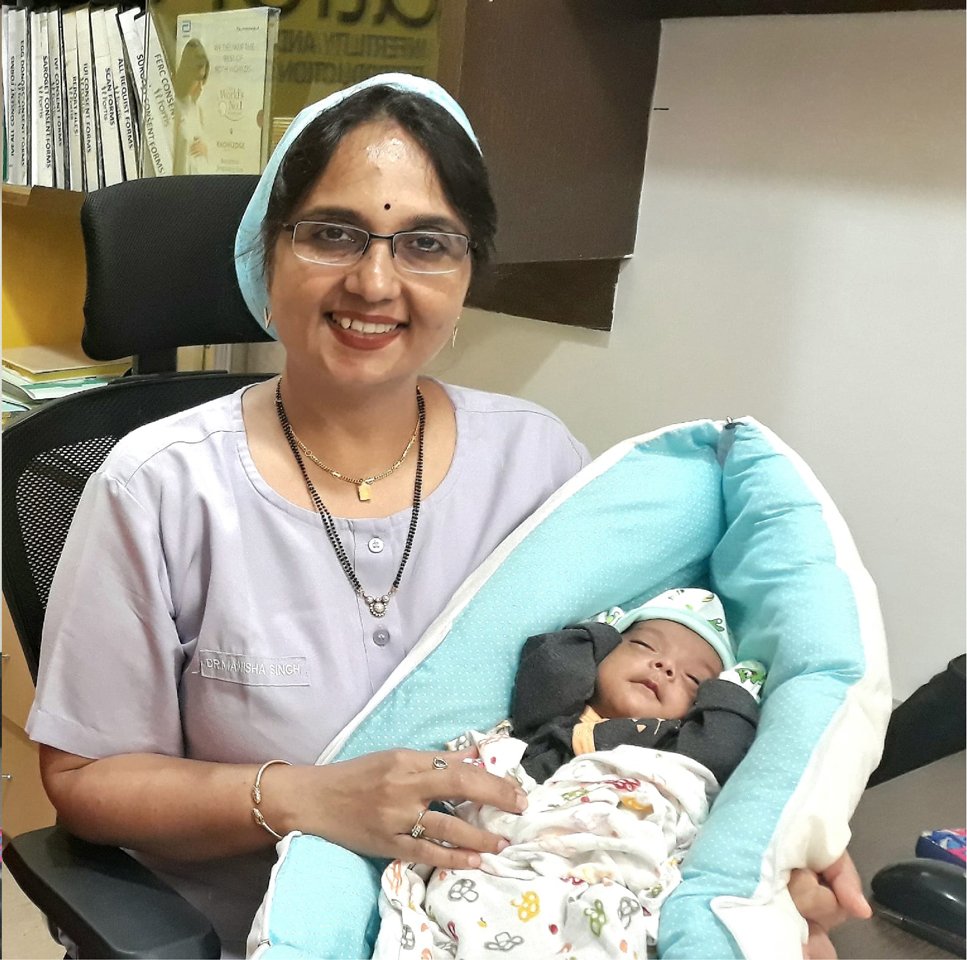
Dr. Manisha Rajpal Singh
Dr. Manisha Singh is an eminent Gynaecologist and a sub-specialist in Reproductive Medicine & Surgery with over 32 years of extensive surgical experience. She is also an acknowledged expert in Reproductive Medicine and Surgery services by Royal College of Obstetricians and Gynaecologists (RCOG), London, UK. Dr. Manisha Singh has an experience of over 32 years in Obstetrics, Gynaecology, Infertility & Assisted Conception treatments.
The ideal weight gain in pregnancy
On an average a healthy pregnant woman will gain between 7 – 11 kg in pregnancy. Being underweight or over weight both affect the well-being of the fetus and also increase the risk of pregnancy problems such as gestational diabetes and hypertension.
Should you develop any medical problems during pregnancy it is important to get the appropriate diet counselling from your doctor and dietician.
Conclusion
It is important therefore to be healthy in pregnancy and also eat healthy both during pregnancy and in the post-delivery lactation phase as the mother’s healthy diet allows the fetus and the baby to thrive and become healthy.
 If you Have Any Questions Schedule an Appointment OR Call Us On 080 - 66214281